- List your property - it's free
- Sign up or Log in
-
English- en
-
THB - ฿
- Buy
- Bangkok Property For Sale
- Bangkok Real Estate
- See Newest Listings
- Why Buy with FazWaz.co.th
- Rent
- Sell
- Financing
- Projects
- Join Us We're Hiring!
Bangkok has firmly established itself as one of Asia’s most accessible and income-generating real estate markets for foreign buyers. Unlike many global cities where ownership is restricted or heavily taxed, Thailand offers a clear legal framework for condominium ownership, competitive rental yields, and relatively low holding costs.
This comprehensive guide is written specifically for international investors, expats, and overseas buyers who are researching Bangkok property between 2024 and 2026, with a forward-looking 5-year outlook to 2031.
Bangkok remains a rare combination of accessibility, yield, and long-term stability.
For many foreign buyers, Bangkok is not about short-term speculation—it is about steady income, diversification, and long-term capital preservation.
Foreign nationals are allowed to purchase and own:
Because of this, condominiums are the primary and most secure option for foreign buyers in Thailand.
The Condominium Act allows foreign ownership of up to 49% of the total sellable floor area of a condominium project.
Important: Once the foreign quota is full, new foreign buyers must purchase under Thai quota or leasehold—this significantly impacts resale value.
Without an FET form, the Land Department will not register foreign ownership.
Bangkok’s property market has entered a post-COVID normalization phase, characterised by:
Rather than overheating, the market is balancing supply and demand, which is attractive for long-term investors.
Bangkok’s rental market is supported by multiple demand sources, not just tourism.
Unlike resort markets, Bangkok’s rental demand is year-round and diversified.
Bangkok consistently ranks as one of Asia’s highest-yielding capital cities.
Investor insight: Bangkok rewards income-focused strategies more than capital-gain speculation.
Rental rates in Bangkok have shown resilience and growth due to:
Best for: Liquidity, expat demand, resale value
Best for: Stability and corporate tenants
Best for: Yield + medium-term appreciation
Best for: Lifestyle-driven investments
Best for: Value-focused investors
This incentive significantly reduces entry costs.
Thailand has very low annual property taxes compared to global standards.
This makes Bangkok ideal for long-term holding strategies.
Rental income earned in Thailand is taxable.
Despite taxes, net yields remain competitive internationally.
Foreigners can freely sell condominiums.
Liquidity is strongest in central Bangkok and established expat zones.
Overall, Bangkok is expected to remain a yield-driven, defensive real estate market.
Bangkok property is well-suited for:
Yes. Foreigners can legally buy and own freehold condominium units in Bangkok, as long as the unit falls within the 49% foreign ownership quota of the condominium project.
Foreign buyers can purchase:
Foreigners cannot directly buy land or standalone houses.
Thai law allows foreigners to own up to 49% of the total sellable floor area in any condominium project.
No. Foreign buyers do not need Thai residency, a work permit, or a long-term visa.
Funds must be transferred from overseas in foreign currency, converted to Thai Baht in Thailand, and supported by an FET form.
Yes. Bangkok property is a yield-focused investment market with gross rental yields of 4–7%.
Prices vary by location:
Popular areas include Sukhumvit, Silom, Sathorn, Rama 9, Riverside, and Bangna.
Yes. Long-term rentals are legal. Short-term rentals depend on building rules.
Typically 4–7%, depending on location and unit type.
Yes, but they are very low and based on government appraised value.
Transfer fee, stamp duty or Specific Business Tax, and withholding tax. Reduced fees apply until June 2026 for eligible properties.
Yes. Rental income is taxable, with deductions available.
Yes. Liquidity is strongest for foreign-quota units near BTS/MRT.
Yes. Bangkok is a stable, long-term investment market.
Yes. Thailand has a clear legal framework and strong land registry system.
Oversupply, buying non-foreign-quota units, poor location selection, and weak building management.
Higher yields, lower prices, clear ownership laws, and low annual taxes.
For long-term investors, 2024–2026 is considered a favourable entry window.
Through established property platforms, licensed agents, and developer direct sales.
From 2024 through 2031, Bangkok offers a rare combination of legal clarity, strong rental fundamentals, low holding costs, and sustainable long-term growth.
For investors who choose the right location, project, and unit, Bangkok real estate continues to deliver reliable income and long-term value with lower risk than many global alternatives.
👉 Explore Condos for Sale in Bangkok (Foreign Quota Available)
Compare prices, locations, and rental yields across Bangkok’s top investment districts.
















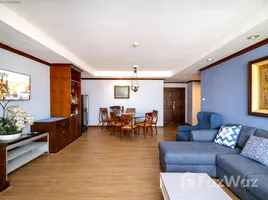


























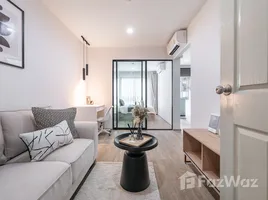








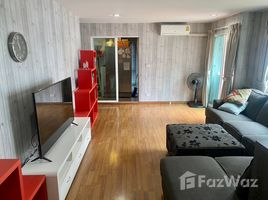





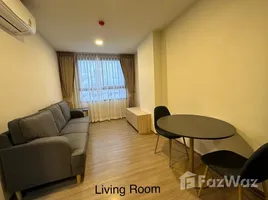


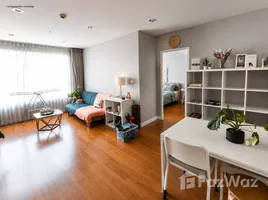





















 5,418 Properties for you
 Buy: ฿300K - ฿2.92B





 All Countries

 Price display