- List your property - it's free
- Sign up or Log in
-
English- en
-
THB - ฿
- Buy
- Bangkok Property For Sale
- Bangkok Real Estate
- See Newest Listings
- Why Buy with FazWaz.co.th
- Rent
- Sell
- Financing
- Projects
- Join Us We're Hiring!
Bangkok’s rental market is one of Southeast Asia’s most active and diverse. Whether you’re a tenant looking for the right neighborhood—or an investor evaluating rental income potential—Bangkok offers a broad spectrum of rental options: luxury condos in the CBD, mid-market units on BTS/MRT lines, family homes near international schools, and value rentals in fast-improving suburban districts.
From 2024 to 2026, the market has shifted into a more “normalised” post-pandemic phase, supported by:
At the same time, developers and landlords face more competition in some segments—so pricing, furnishing quality, and proximity to transit matter more than ever.
This guide covers:
Bangkok’s residential market has seen more cautious new supply compared with earlier cycles—especially outside the highest-performing locations. For example, CBRE noted that 2024 recorded the lowest number of newly launched condo units since 2021, with big drops in Midtown and Suburban launches versus 2023. This matters because slower new supply can reduce rental competition in some areas and support occupancy.
Bangkok rents are not uniform—prime CBD areas behave differently from outer areas. But prime rental performance has shown measurable growth. Published market summaries referencing CBRE indicate Grade A apartment asking rents in Bangkok around THB 584/sq.m. in Q2 2025, about +4.1% YoY. That aligns with the broader “steady upward” pattern: landlords in strong buildings (good locations + good management) have more pricing power than older or poorly positioned projects.
JLL’s Bangkok residential outlook indicates rental demand remains supported, with rental growth cited as +7.8% by end-2025 and +1.3% by end-2026 in their market commentary (context: demand pressure + limited best-in-class stock in some segments).
Bangkok’s rental spectrum is wide. Use these ranges as search-and-budget anchors (real listings will vary by building age, exact BTS/MRT distance, and furnishing level):
Best for: Students, first-job professionals, value seekers.
Best for: Expats on moderate budgets, corporate renters, long-stay visitors, remote workers.
Best for: Family starters, roommates, embassy/NGO staff on housing allowances.
Best for: International school families, senior expats, executives.
Understanding tenant demand is how you choose the right building, the right unit type, and the right pricing strategy.
This segment targets convenience and commute:
They prioritise: building facilities, security, maintenance quality, and “move-in-ready” furnishing.
International tenants often cluster around:
They are more sensitive to: building reputation, noise, walkability, and property management standards.
Bangkok remains a major education hub. Students and new grads typically choose:
This supports consistent demand for budget-to-mid rentals near university zones and transport corridors.
Thailand’s policy direction matters here. The Destination Thailand Visa (DTV)—designed for “workcation” and remote-work lifestyles—has been publicly listed by Thai embassies as a pathway for longer stays (multi-entry with long-per-entry stays). This supports Bangkok’s demand base for furnished, flexible, mid-market rentals in liveable neighborhoods.
Tourism doesn’t just help hotels—it also fuels medium-term renting, especially for people who return repeatedly or stay longer. Thailand recorded 32.9 million foreign visitors in 2025 (Ministry of Tourism and Sports, reported by Bangkok Post). While tourism mix can shift, the overall scale supports long-stay accommodation demand in Bangkok.
Below are the districts that dominate Google searches and agency enquiries for “rent in Bangkok.”
Best for: Expats, lifestyle renters, premium convenience, resale/rental liquidity
Best for: Corporate tenants, embassies, finance professionals
Best for: Value, modern condos, strong MRT demand
This zone has been a consistent “mid-market performer” because it’s functional, transit-served, and full of newer condo stock.
Best for: Trendy urban living and good BTS access
Best for: Value Sukhumvit lifestyle and strong BTS access
Best for: Space, price value, industrial/logistics employment nodes
Best for: Lifestyle, larger layouts, selected luxury
Bangkok has long been viewed as a yield-led market compared with many global cities. In practice:
JLL’s market commentary suggests rental demand pressures have supported rent growth into 2025 and 2026. That’s helpful for investors because rental growth can lift yields even when purchase prices are sticky.
Thailand’s annual property holding costs are generally lower than many Western markets (though exact tax depends on assessed value and usage). Lower holding-cost pressure helps investors maintain net returns even when gross yields are moderate.
This is the part that prevents disputes and protects your occupancy rate.
Even if a unit is legally rentable long-term, some buildings restrict:
For landlords: ignoring building rules can lead to tenant friction, fines, or forced strategy changes.
Post-2024, more tenants expect:
This shifts competition from “just location” to “location plus building quality.”
From 2027 to 2031, Bangkok’s rental market is likely to remain demand-supported rather than speculative. Expect:
Key supports:
Bangkok could outperform if:
Bangkok rent varies widely by location and building quality. In 2024–2026, most renters typically see mid-market condos near BTS/MRT priced around THB 12,000–25,000/month, while prime CBD areas (Sukhumvit core, Sathorn, Silom) often range THB 25,000–45,000/month for a 1-bedroom. Larger units and family homes can be significantly higher depending on size, school access, and neighborhood.
Yes—Bangkok is often considered a yield-focused market compared with many global cities. In 2024–2026, investors typically target BTS/MRT-connected condos (especially 1-bedrooms) because they tend to deliver stronger occupancy and more consistent tenant demand.
Rental yields depend on purchase price, location, and unit type. Many investors aim for gross yields around 4–7% in Bangkok, with mid-market transit-linked areas often outperforming prime luxury districts on percentage yield.
In the 2027–2031 base case, Bangkok rents are generally expected to rise gradually rather than surge across the entire city. Growth is usually strongest in areas with reliable BTS/MRT access, strong job hubs (CBD and New CBD), limited high-quality rental stock, and good building management and renter-friendly layouts.
Popular renter zones with strong transit access include Sukhumvit (Asok, Phrom Phong, Thonglor, Ekkamai, Phra Khanong, On Nut), Sathorn/Silom, Rama 9/Ratchada, Ari/Phaya Thai, and Bangna/Samut Prakan.
Value locations near BTS/MRT often include On Nut and Phra Khanong (more affordable than Asok/Thonglor), older buildings in Ratchada (often cheaper than Rama 9), Bangna and parts of Samut Prakan near BTS, and selected areas of Thonburi near MRT/BTS connections. Always compare walking distance to station, building age, and management quality.
In 2024–2026, a 1-bedroom condo often ranges from THB 12,000–20,000/month in outer Sukhumvit or mid-market zones, THB 20,000–30,000/month in popular mid-city BTS/MRT areas, and THB 30,000–45,000/month in prime CBD or Sukhumvit core premium buildings.
Typical 2-bedroom condo rent in 2024–2026 often ranges from THB 28,000–55,000/month in mid-city zones (depending on size and building tier), and THB 45,000–80,000/month in prime CBD and premium buildings.
Bangkok houses for rent vary heavily by neighborhood and plot size. Family homes near international schools or executive zones may range from THB 50,000–150,000+/month, while houses farther out or in local suburban districts can be lower.
Bangkok rental demand typically comes from Thai professionals and corporate renters, expats and embassy/NGO staff, international school families, students and early-career tenants, and remote workers and long-stay residents. This mix helps keep demand more stable than tourist-only markets.
Compared with resort areas, Bangkok is less seasonal because demand is driven by jobs, education, and long-term living. Some seasonality exists (corporate relocation cycles and school calendars), but many districts experience year-round demand.
A standard lease is usually 12 months. Some landlords may offer 6-month leases (often at a higher monthly price), while long-term leases can be negotiated for stable tenants.
Commonly 2 months’ deposit plus 1 month rent in advance, but this can vary by landlord, property type, and tenant profile.
Many condos in Bangkok are offered fully furnished (bed, sofa, appliances). However, furnishing quality varies a lot, so check mattress quality, whether the washing machine is in-unit, kitchen setup, and working desk space if you work remotely.
Yes. Foreigners can rent condos, apartments, and houses in Bangkok. Tenants typically need a passport and may be asked for proof of income or employment depending on landlord requirements.
Yes—long-term renting is generally legal. However, short-term renting (daily/weekly stays) can be restricted by building rules and may be regulated differently, so landlords should confirm condo juristic policies before advertising short stays.
In addition to rent, renters often pay electricity and water, internet (sometimes included, often separate), and parking fees (if applicable). Confirm whether any building fees are included, and ask for the total monthly cost before signing.
Key checks include exact BTS/MRT walking time, noise level (road, construction, nightlife), building management quality, rules on guests and pets, repair responsibilities, and an inventory list with photos at move-in. These reduce deposit disputes and unexpected costs.
In many cases, the most liquid rental assets are 1-bedroom condos near BTS/MRT with a good layout, modern furnishing, and reputable building management. These units tend to rent faster and reduce vacancy risk.
Common risks include buying in oversupplied micro-locations, overpaying relative to achievable rent, weak building management, poor layout or low-quality furnishing, and ignoring building rules on short stays and tenant policies.
Sukhumvit remains one of the strongest rental corridors due to transit access and expat amenities. However, for value and yield, many renters and investors also consider Rama 9/Ratchada, On Nut/Phra Khanong, and Ari/Phaya Thai, depending on budget and lifestyle.
Remote workers often prefer areas with café and restaurant density, coworking access, and strong transit. Popular choices include On Nut, Phra Khanong, Ari, and Rama 9/Ratchada, with Sukhumvit core for higher budgets.
In 2027–2031, Bangkok is widely expected to remain a renter-demand city supported by job growth across CBD and New CBD, ongoing BTS/MRT connectivity improvements, and continued preference for renting among younger Thai households. Expect moderate rent growth with the best performance concentrated in transit-linked, well-managed buildings.
Most renters use major property portals, licensed real estate agencies, and direct landlord listings. For best results, filter by BTS/MRT station, unit size, and “furnished,” and confirm building rules before booking viewings.


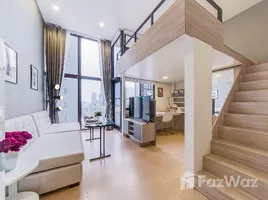


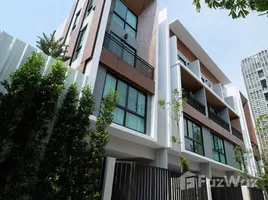





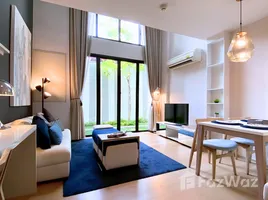


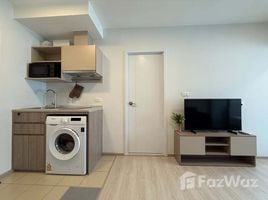


 Don't miss out!
Get notified when new properties for rent are listed near Airport Rail Link Station, Bangkok
Don't miss out!
Get notified when new properties for rent are listed near Airport Rail Link Station, Bangkok
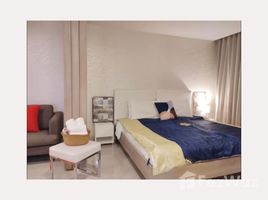


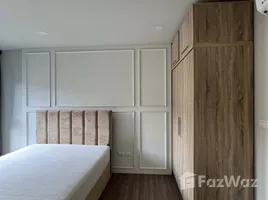


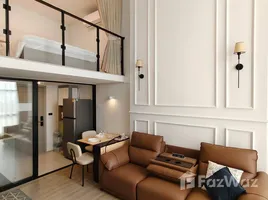


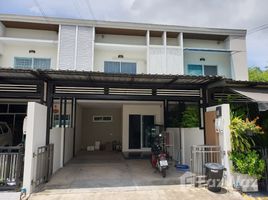


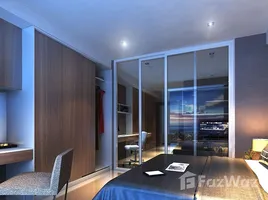


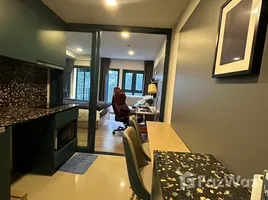



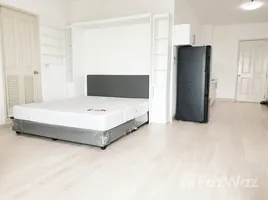


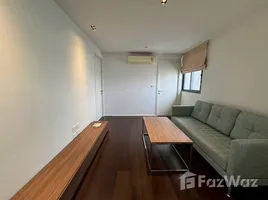


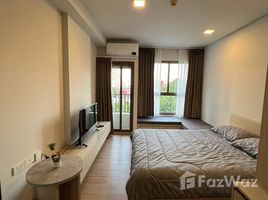


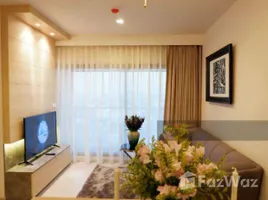


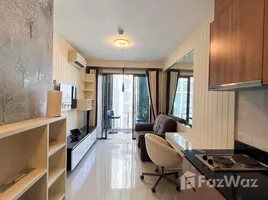


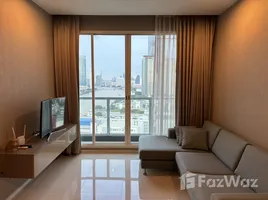



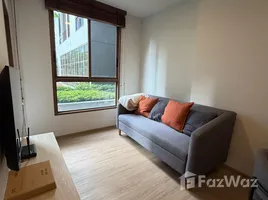


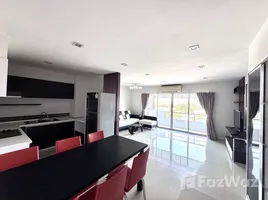


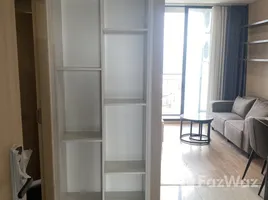


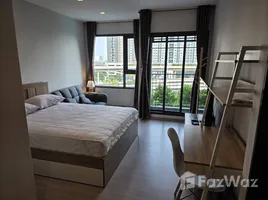


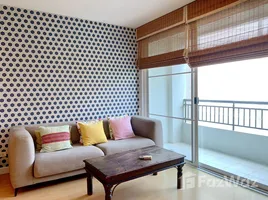



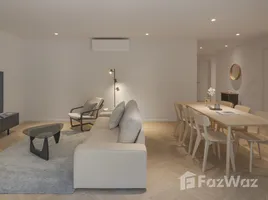





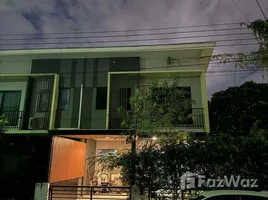





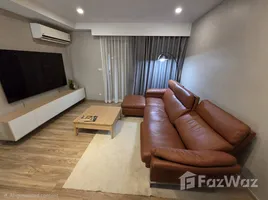


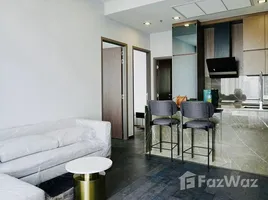


Find the latest rental rates on the Bangkok property market
 The median monthly rent for rental homes in Bangkok is ฿30,500
 The median monthly rent per square meter in Bangkok is ฿10,100
 At the moment there are 53,796 properties available for rent in Bangkok






 12,382 Properties for you
 Rent: ฿4.5K - ฿6M



 All Countries

 Price display